

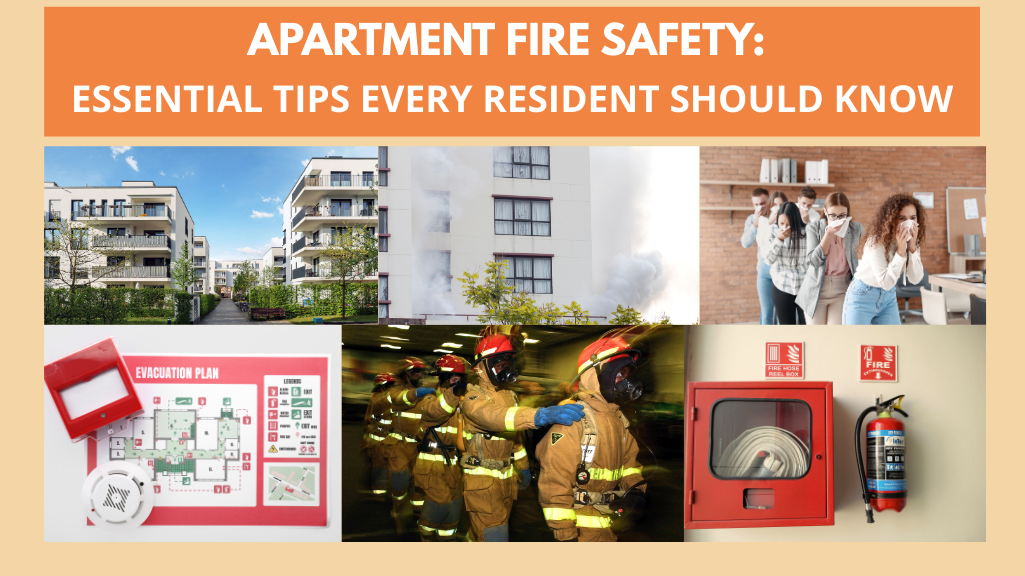

Living in an apartment or condo offers convenience and community—but it also means you share walls, systems, and safety responsibilities with neighbors. In a fire emergency, seconds count—and prevention is key.
Whether you’re renting a studio or living in a high-rise, here’s what you need to know to protect yourself, your loved ones, and your building from fire hazards.
1. Know Your Building’s Fire Safety Features
Familiarize Yourself with Fire Systems
-
Know where fire alarms, sprinklers, and extinguishers are located on your floor.
-
Don’t block or tamper with smoke detectors or sprinkler heads.
-
Report any malfunctions to property management immediately—or better yet, ensure these issues are identified early with a thorough property inspection before move-in.
Know Your Exits
-
Memorize at least two escape routes from your unit.
-
Never use elevators during a fire—always take the stairs.
-
Know the location of the nearest fire exit and stairwell.
2. Prevent Fires Inside Your Unit
Be Smart in the Kitchen
-
Never leave the stove or oven unattended while cooking.
-
Keep flammable items (towels, paper, plastic) away from heat sources.
-
Use a timer or reminder if you’re multitasking while cooking.
Avoid Electrical Hazards
-
Don’t overload outlets or power strips.
-
Unplug small appliances when not in use.
-
Use certified and properly rated power strips only.
Practice Candle and Smoking Safety
- Use flameless candles or keep real ones on stable surfaces away from curtains or furniture.
- Never smoke indoors; improperly discarded cigarettes are a major cause of apartment fires.
- Always extinguish candles and cigarettes completely before leaving or going to bed.
3. Be Prepared for Emergencies
Install Extra Protection
-
If allowed, keep a small fire extinguisher in your unit (especially in the kitchen).
-
Check that your smoke detectors are working—test them monthly.
-
These checks are often overlooked during initial move-ins, which is why a professional handover inspection can catch fire safety oversights before you settle in.
Plan Your Exit
-
Create an escape plan for your household.
-
Know how to open your windows in case you need to exit through them.
-
Designate a meeting point outside the building.
Stay Low and Go
-
If a fire breaks out, stay low to avoid smoke inhalation.
-
Feel doors before opening—if hot, use an alternate route.
-
Don’t stop to grab belongings—get out and stay out.
4. Communicate and Cooperate
Talk to Property Management
-
Ask for a copy of your building’s fire safety plan.
-
Find out how often fire drills and inspections are conducted.
-
Report any hazards (blocked exits, broken alarms, etc.) right away.
Get to Know Your Neighbors
-
In emergencies, neighbors can alert you or help vulnerable residents evacuate.
-
Be mindful of shared spaces like hallways and balconies—don’t store flammable items there.
Prevention is Everyone’s Responsibility
In a residential building, one person’s mistake can impact dozens of lives. Fire safety isn’t just about following rules—it’s about caring for your community.
Take time today to move in and move out inspection for your unit, review your building’s fire plan, and share this information with your neighbors. Together, we can create safer homes—one unit at a time.